

An Easy Introduction to Ayurvedic Dosha by Dr. Dushyant Nirmal
9/2/20258 min lasīt
Understanding Ayurveda: The Foundation of Doshas
Ayurveda, an ancient system of medicine that originated in India over 5,000 years ago, means "the science of life." This holistic approach emphasizes the interconnectedness of body, mind, and spirit, promoting an overall sense of well-being. Rooted in the belief that health is a state of balance, Ayurveda offers various practices and therapies aimed at restoring this equilibrium. By integrating elements of nature, lifestyle, diet, and mental states, it aims to cultivate harmony both internally and externally.
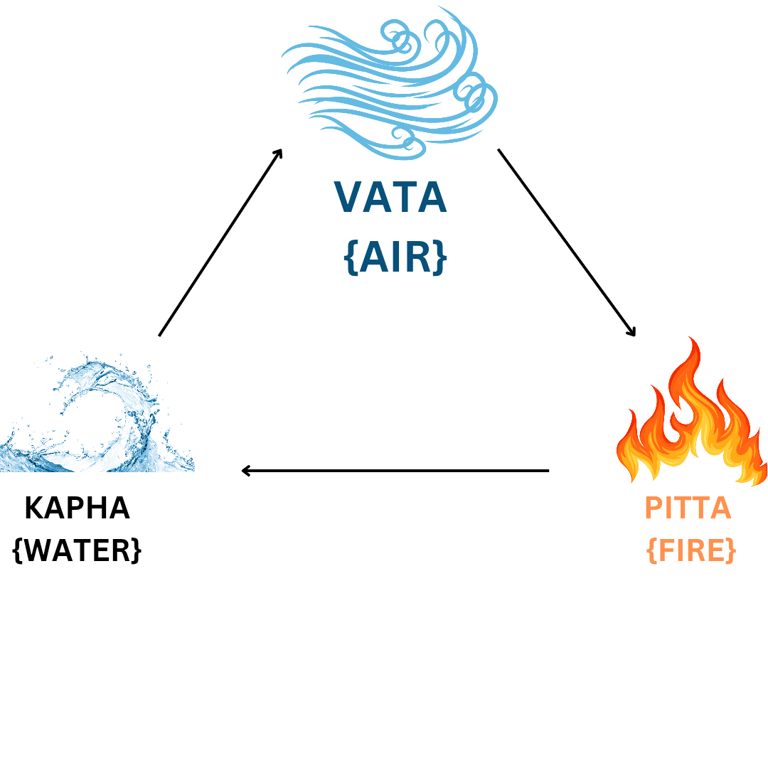
The primary principles of Ayurveda revolve around the concept of doshas, which are the three vital energies that govern our physical and mental processes: Vata, Pitta, and Kapha. Each dosha is a unique combination of the five elements—earth, water, fire, air, and ether—which influence an individual's constitution, tendencies, and overall health. In Ayurvedic philosophy, maintaining balance among these doshas is crucial for achieving optimal health, as imbalance can lead to physical illness and emotional disturbances.
In practice, Ayurveda takes into account a person's unique doshic constitution, or Prakriti, and offers tailored guidelines for diet, lifestyle, and therapies. For instance, individuals with a predominance of Vata may require grounding foods and calming routines to reduce anxiety, while those with a dominant Kapha may benefit from invigorating exercises to combat lethargy. Ayurvedic practitioners assess the doshic balance and implement personalized strategies, ensuring that each individual can navigate their path toward wellness.
Ultimately, Ayurveda provides a comprehensive framework for understanding health that transcends the treatment of symptoms. By embracing its holistic nature, individuals are empowered to take charge of their health and cultivate a balanced, harmonious life, underscoring its enduring relevance in today’s world.
What are Doshas? The Three Vital Energies
In Ayurveda, the holistic system of medicine originating from India, doshas represent the three fundamental energies that govern physiological and psychological functions in the human body. Each individual possesses a unique combination of these energies, namely Vata, Pitta, and Kapha, which not only influences their physical health but also shapes their personality and behavioral traits.
The first dosha, Vata, is characterized by the qualities of movement and change, embodying the elements of air and ether. People with a dominant Vata constitution often exhibit traits such as creativity, enthusiasm, and quick thinking, but may also be prone to anxiety and irregularity in their habits. Vata governs bodily functions such as circulation, respiration, and elimination, thus holding a significant influence over one’s energy levels and overall vitality.
Pitta, on the other hand, is linked to the elements of fire and water. This dosha is associated with transformation and metabolism, playing a critical role in digestion, energy production, and temperature regulation. Those with a predominance of Pitta are typically ambitious, focused, and passionate, but they may also struggle with irritability or overheating when in excess. Maintaining a balanced Pitta is essential for optimal health, as it regulates various metabolic processes within the body.
Lastly, Kapha embodies the earth and water elements and is associated with stability, structure, and nourishment. Individuals with a strong Kapha dosha tend to be calm, patient, and reliable, displaying a nurturing disposition that enhances their relationships. However, an excess of Kapha may lead to lethargy, weight gain, and stubbornness. This dosha supports vital functions such as tissue repair, immunity, and fluid balance, highlighting the importance of Kapha in maintaining both physical and emotional well-being.
Identifying Your Dosha: A Personal Journey
Understanding one's Ayurvedic dosha can significantly enhance personal health and well-being. The dosha, which refers to the unique combination of elements within an individual, can be understood through a few self-assessment techniques. The first step in this personal journey is to reflect on both physical and psychological characteristics that resonate with basic doshic attributes: Vata, Pitta, and Kapha.
To begin your self-assessment, consider creating a list of physical traits. Vata types are often described as agile and thin, Pitta types as strong and muscular, and Kapha types as sturdy and solid. Additionally, assess your skin type—dry for Vata, warm for Pitta, and moist for Kapha. Next, examining your usual temperature comfort level (hot, cold, or moderate) will also offer insights. Documenting these characteristics lays the foundation for identifying your dominant dosha.
Psychological traits are equally vital in this identification process. Reflect on your emotional responses: Vata individuals may experience anxiety or fear, Pitta types often exhibit ambition and intensity, while Kapha types are generally calm and nurturing. Keeping a journal where these reflections are written down can provide clarity over time.
Furthermore, consider lifestyle habits, particularly concerning diet and exercise. Do you prefer light, dry foods that are easy to digest (Vata), spicy and stimulating dishes (Pitta), or hearty and dense meals (Kapha)? Similarly, observe your exercise preferences; lighter activities may appeal to Vata, intense workouts may suit Pitta, whereas Kapha types might favor steady, moderate routines.
Ultimately, determining your ayurvedic dosha empowers you to tailor lifestyle choices that align with your unique constitution, promoting balanced health practices. Understanding your dosha is not just a matter of curiosity, but a pathway to optimizing your overall well-being.
The Role of Doshas in Physical Health
The ancient practice of Ayurveda is built around the concept of doshas, which represent the three fundamental energies that govern physiological processes: Vata, Pitta, and Kapha. These doshas are essential not only for understanding individual constitutions but also for determining overall physical health. Each dosha plays a distinct role in maintaining bodily functions. For example, Vata governs movement and circulation, Pitta relates to digestion and metabolism, while Kapha is responsible for structure and fluid balance within the body.
Imbalances in these doshas can lead to a variety of health issues. A high Vata can lead to anxiety or restlessness, an excess of Pitta can result in inflammatory conditions, and an overabundance of Kapha may contribute to sluggishness or weight gain. Understanding how these doshas interact within the body is critical for preventing disease and ensuring optimal health. Hence, achieving balance among the doshas is paramount for maintaining physical wellbeing.
To foster balance in doshas, individuals can adopt specific dietary and lifestyle adjustments. For instance, those with a predominance of Vata may benefit from warm, moist foods that help ground their energy, such as soups and stews. Conversely, individuals with a Pitta constitution should choose cooling and calming foods, like cucumbers and coconut, to mitigate excess heat in their bodies. For those with a Kapha imbalance, incorporating light, dry foods alongside regular exercise can help stimulate metabolism and promote energy flow.
Incorporating mindfulness practices such as yoga or meditation can enhance one's ability to maintain dosha equilibrium. Ultimately, being attuned to the body's signals, recognizing signs of imbalance, and adjusting one's lifestyle can profoundly impact physical health and wellbeing, leading to a more harmonious existence.
Emotional and Mental Well-being: The Dosha Connection
In Ayurveda, the concept of doshas—Vata, Pitta, and Kapha—extends beyond physical health to encompass emotional and mental well-being. Each dosha not only represents a blend of physical characteristics but also correlates with specific emotional traits and behaviors. Understanding this connection can lead to enhanced emotional stability and mental clarity.
Individuals with a dominant Vata dosha are often characterized by creativity and enthusiasm, yet they may also experience anxiety, fear, and restlessness. This fluctuation can manifest as difficulty concentrating or an overactive mind. To nurture Vata’s emotional well-being, Ayurveda recommends grounding practices such as yoga, meditation, and adequate hydration. Foods that are warm and grounding, like cooked grains and nuts, can also help to stabilize their often fluctuating emotions.
Pitta-dominant individuals are generally assertive and passionate, yet they may grapple with anger, irritability, and frustration when out of balance. This dosha's influence on emotions is strongly linked to intensity, which can lead to explosive reactions if not managed effectively. To promote emotional balance, Pitta individuals can benefit from cooling practices, such as spending time in nature and practicing soothing breathwork. Incorporating cooling and hydrating foods such as cucumber, coconut, and leafy greens into one’s diet can further aid in calming the mind.
Lastly, those with a predominant Kapha dosha are typically characterized by stability and willingness to support others. However, they may also experience lethargy, attachment, and resistance to change. To uplift emotional health, Kapha types should engage in stimulating activities and avoid excessive consumption of heavy foods. Regular movement, whether through exercise or dance, can invigorate the spirit and invigorate the mind, helping to counterbalance tendencies toward stagnation.
In conclusion, recognizing how each dosha governs emotional health ultimately empowers individuals to take conscious steps toward achieving an emotional equilibrium. By integrating Ayurvedic practices focused on nurturing the mind and spirit, individuals can foster a holistic sense of well-being that is sustainable and fulfilling.
Ayurvedic Practices for Balancing Doshas
Balancing the doshas is a vital aspect of maintaining health and well-being in Ayurveda, which recognizes three primary doshas: Vata, Pitta, and Kapha. Each dosha represents a combination of the five elements and influences an individual's physical, mental, and emotional characteristics. To achieve harmony within these doshas, a holistic approach encompassing dietary, herbal, and lifestyle practices is encouraged.
A commonly recommended practice to balance doshas is through personalized dietary habits. For instance, individuals with a predominance of Vata may benefit from warm, nourishing foods rich in healthy fats such as avocados and olive oil. This can help counteract the dry, light qualities of Vata. Conversely, those with high Pitta should consume cooling foods like cucumbers, coconut, and peppermint to mitigate excess heat. In contrast, Kapha individuals are advised to incorporate lighter, spicier foods to stimulate digestion and prevent stagnation.
Herbal remedies also play a crucial role in maintaining balance among the doshas. Certain herbs are recognized for their ability to pacify specific dosha imbalances. For example, Ashwagandha and Triphala are often recommended to support Vata balance, while Pitta types may benefit from cooling herbs like Aloe Vera and Coriander. Similarly, Kapha individuals can rely on herbs such as Ginger and Turmeric to enhance their metabolic functions and energy levels.
In addition to dietary and herbal adjustments, establishing supportive lifestyle routines is essential. Practicing yoga, meditation, and mindfulness can help regulate one's doshas by promoting mental clarity and emotional stability. Regular physical activity tailored to one's constitution, as well as ensuring adequate sleep, contributes significantly to overall well-being. By integrating these Ayurvedic practices into daily life, individuals can strive toward a harmonious balance of their doshas and ultimately achieve optimal health.
Conclusion: Embracing Ayurvedic Wisdom
Understanding Ayurvedic doshas is an essential step toward achieving holistic health and well-being. The dosha system, which categorizes individuals into three primary types—Vata, Pitta, and Kapha—offers valuable insights into one’s physical and mental constitution. By recognizing your unique dosha, you can tailor various aspects of your lifestyle, including diet, exercise, and daily routines, to enhance your overall wellness.
Ayurveda emphasizes that maintaining balance among the doshas is crucial for optimal health. Each dosha exhibits specific characteristics that influence not only bodily functions but also emotional and psychological states. For instance, a predominance of Vata may lead to anxiety and restlessness, while an excess of Kapha might contribute to sluggishness or lethargy. By diligently observing the signs and symptoms linked to your dosha, you empower yourself to foster a more harmonious state of being.
Incorporating Ayurvedic principles into your daily life does not require a complete lifestyle overhaul. Simple adjustments, such as selecting foods that balance your dosha, can make significant improvements in how you feel physically and emotionally. Mindfulness practices, including meditation and yoga, can also be aligned with your doshic attributes, enhancing both mental clarity and physical vitality.
In a world where modern medicine often addresses symptoms in isolation, the Ayurvedic approach provides a holistic framework for understanding health. By embracing this ancient wisdom, you open the door to a more integrated and personalized path to health. Consider exploring your dosha through consultation with an Ayurvedic practitioner or self-assessment tools available in various resources. Taking these steps can empower you to lead a balanced and fulfilling life, rich in health and wellness.